How does the real Galicia compare to the orange realm in book seven of the Midlife Recorder series, Half an Orange in Gretna Green?
A reader emailed to tell me she wasn’t aware that there was a REAL Galicia.
Just as there is a real Scotland, a real Wales and a real Scandinavia.
Honestly, I sympathised.
If you’re not from Europe and haven’t flown over Galicia on the way to Mediterranean holidays (every time the French air traffic controllers are on strike – i.e. summer) as a child, how would you know?
But truly it’s a real place, with ancient Celtic connections.
Let’s learn about it.
Here’s a quick reminder
In case you haven’t reached book two yet, none of the quotes contain spoilers. You’re safe.
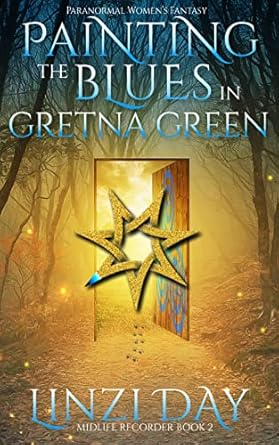
Chapter 6. Page 63. Painting the Blues in Gretna Green.
“I moved determinedly to the Orange sector, which led to the Galician realm. Their current-day relatives lived in a tiny area of northwestern Spain. Most people didn’t know there had been Iberian celts, but the Galicians, like the other realms, had fled persecution almost a millennium ago through the portal. This was the realm I had the least familiarity with. I couldn’t remember ever visiting them as a child.”
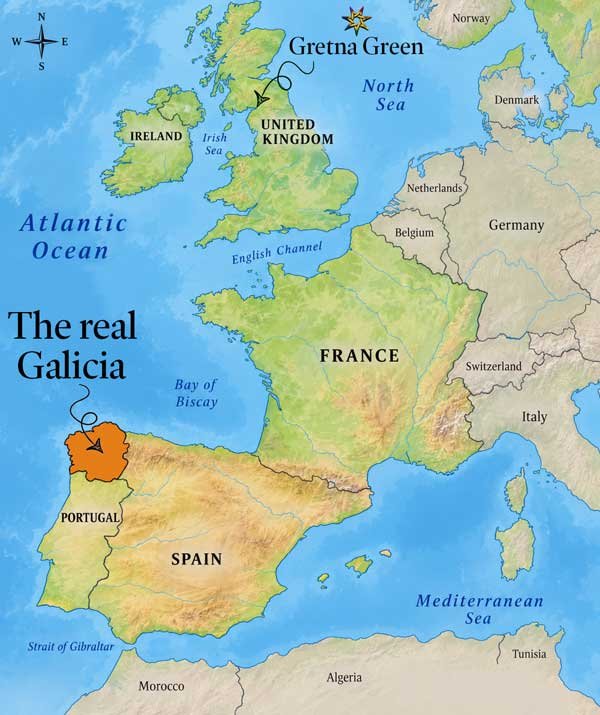
Where is Galicia?
Galicia sits in the far north-west corner of Spain, directly above Portugal.
It’s hard to find a map showing where Galicia is compared to European countries; they tend to show you every province in Western Europe which is less than useful, so “Here’s one I made earlier” (Which is a phrase you might remember from Blue Peter if you’re a Brit and you might want to read my ‘How do authors plot books‘ article if you aren’t).
Learn more about the landscape and its wines
The real Galicia has many climates, wines, and foods. Some of which I borrowed for the Galician realm. But there is far more besides. If like Cisco you enjoy a tipple, check out Noah’s site The Wines of Galicia. The landscape photos alone are worth the visit.
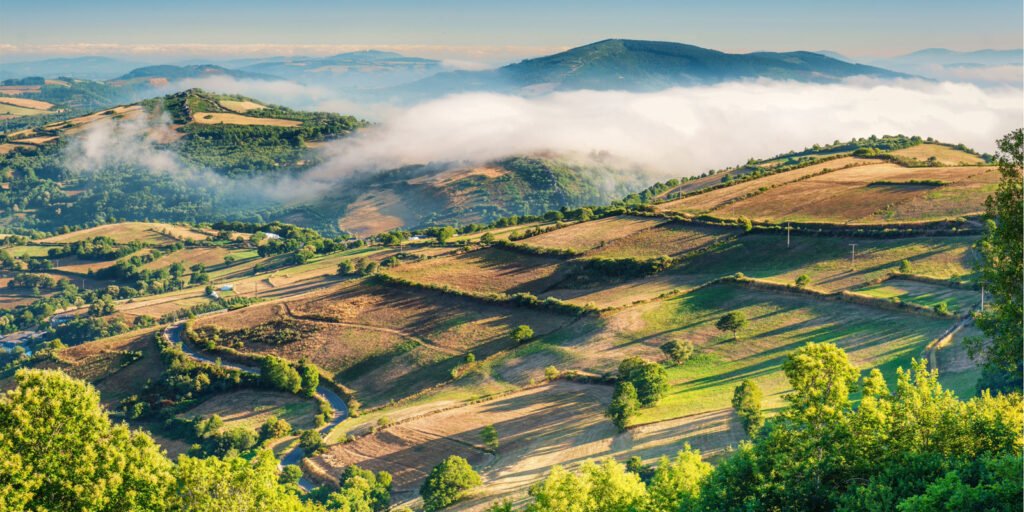
Galicia is one of Spain’s greenest and most dramatic regions, with a landscape shaped by the Atlantic. Rugged cliffs, sheltered rías (which are a bit like fjords, but made by flooding sea rivers rather than ice), sandy beaches, wooded hills and granite villages sit alongside vineyards, rivers and misty mountain country.
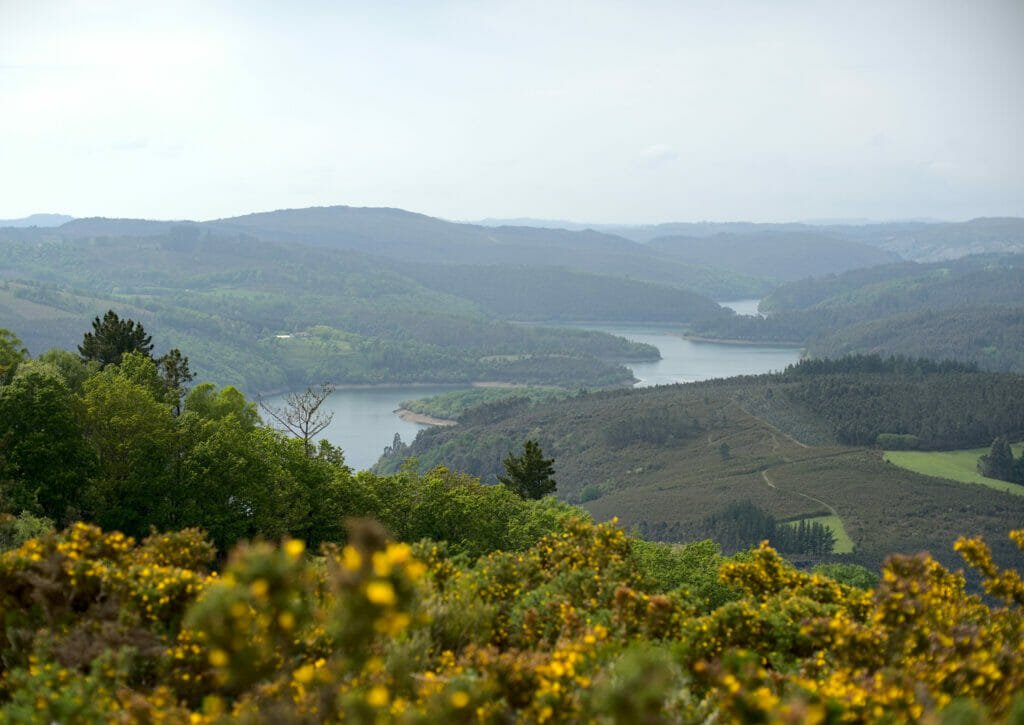
It can feel surprisingly unlike the stereotypical image of Spain—cooler, wetter and far lusher, with scenery that often looks closer to parts of Scotland or Ireland.
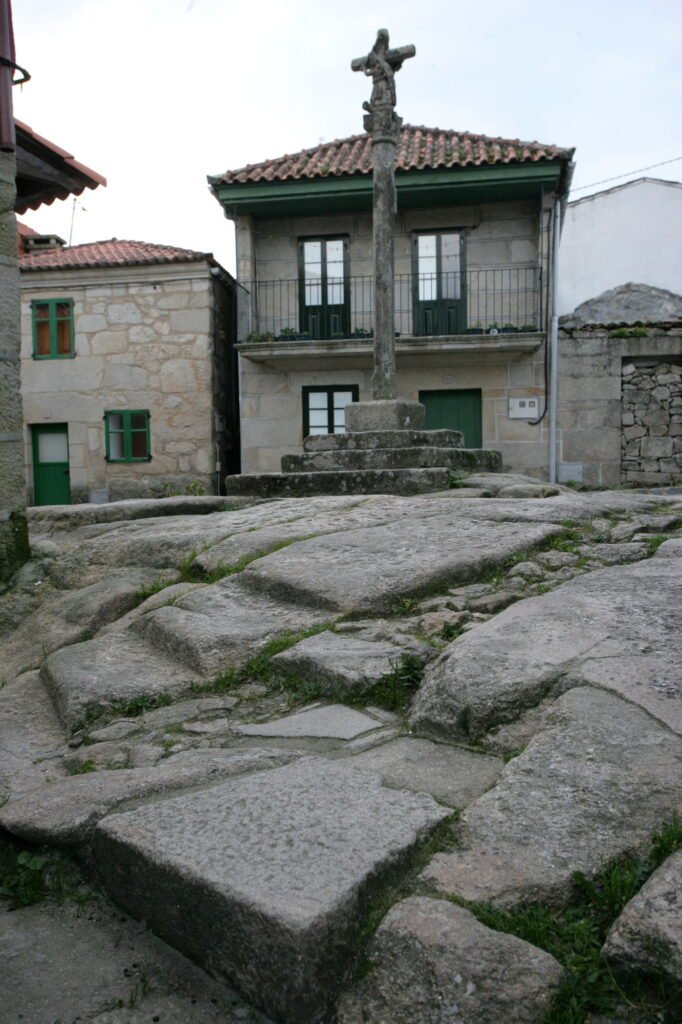
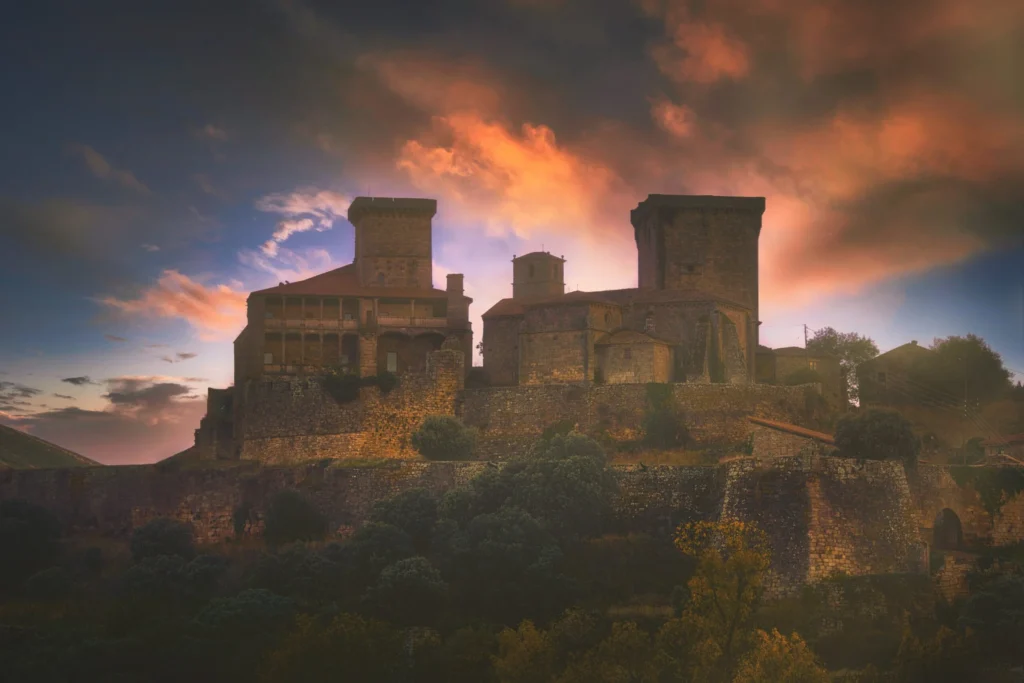
The result is a landscape that feels both wild and inhabited, with ancient hill forts and tiny rural settlements woven into the modern countryside.
One feature of the rural and urban landscapes is the stone crosses or cruceiros. They crop up everywhere. One source estimates there are over 12,000 of them in the tiny region.
Photo Credit: Turismos Galicia.
Check out many more on their site.
Fabienne and Benoit from Novo-monde.com have a beautiful blog post about their travels in and around the Galician Rías: https://www.novo-monde.com/en/rias-altas-galicia
For a lighter moment, don’t miss…
How to date a Galician
Even if you don’t have any plans to find yourself a beautiful Galician to date, the tips they provide are an intriguing insight into what it’s like to live there.
These are my favourites:
- Don’t postpone the date due to bad weather—there’s a lot of it! (This would also apply to Britain 😂)
- If they call you “riquiño” or “riquiña,” the date is as good as over. It’s the Galician for friend-zoned.
- Don’t take the last bit of food from the dish. You have to act like it’s a relative trying to slip you some money as you leave.
You must say, “No, really, I’m fine, you’re so very kind,” a dozen times before you can safely give in and accept it (or else food poisoning will render it useless to anyone before granny admits defeat).
Find the rest of the list on Nordesgin.com
Galician Fashion
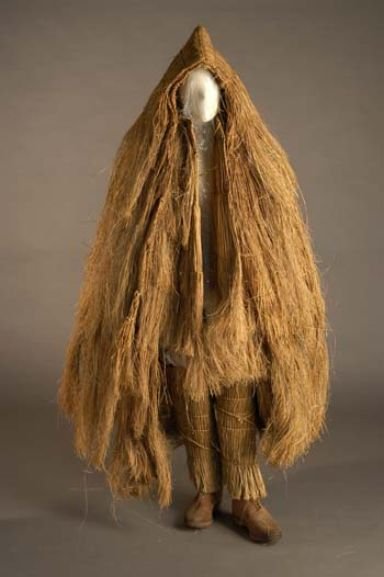
Coconut cosplay? You might think so … But Nope.
Centuries ago, the Galicians created a cloak called a coroza (or carapucho if it’s the hooded kind) made from straw. Designed to keep you dry in heavy, freezing rain, the cloak was worn by farmers, shepherds, and peasants who couldn’t be cuddled up by the fire like any sensible person would want to be in such weather.
It does look a bit like it came straight out of a horror movie … but if the alternative is being soaked to the bone and shivering all night, I’ll take two.
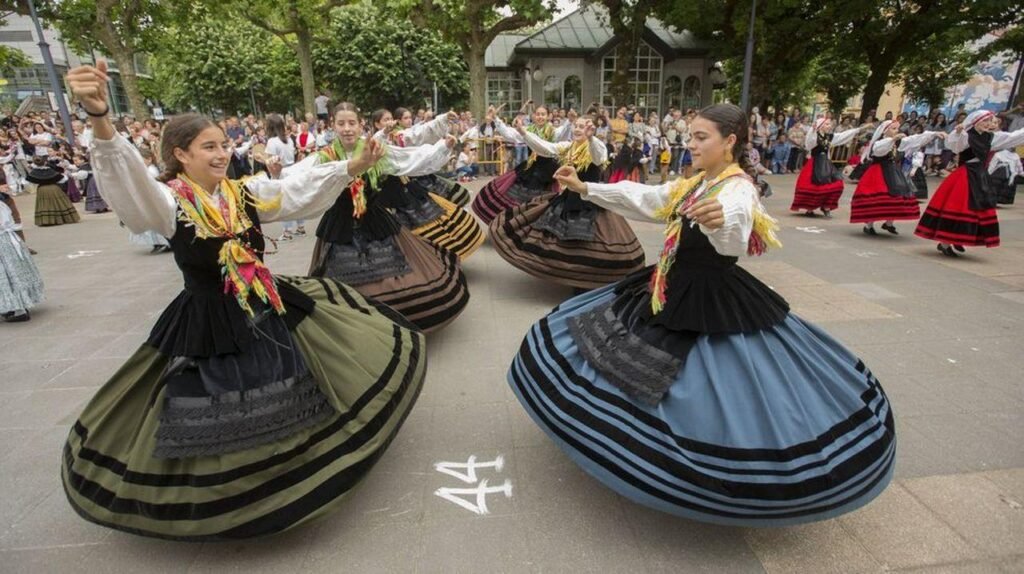
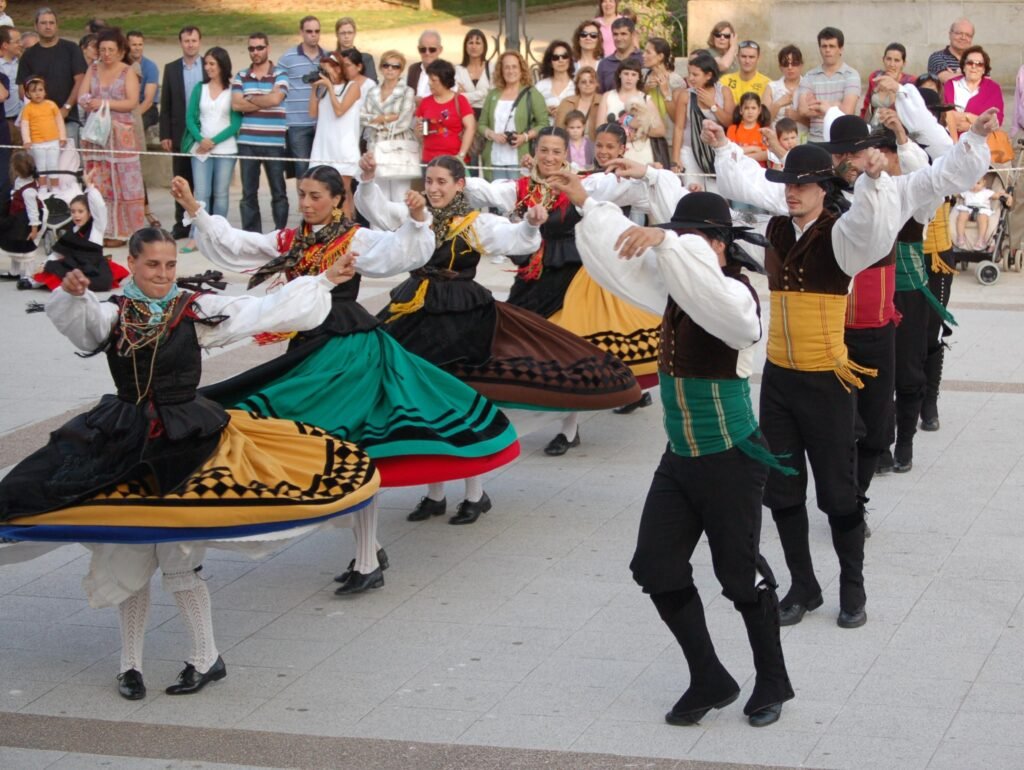
Galician traditional dress is wonderfully colourful, with women wearing full, swirling skirts, embroidered aprons, fitted bodices, white blouses and brightly coloured shawls. The men wear waistcoats, knee-length trousers, wide sashes, and traditional hats. In these photos, they’re performing Galician folk dances, most famously the muiñeira, a lively dance often accompanied by bagpipes and tambourines. The dancers raise their arms, turn and skip in time with the music, sending those enormous skirts swirling. It’s a lovely tradition that’s still celebrated at festivals throughout Galicia.
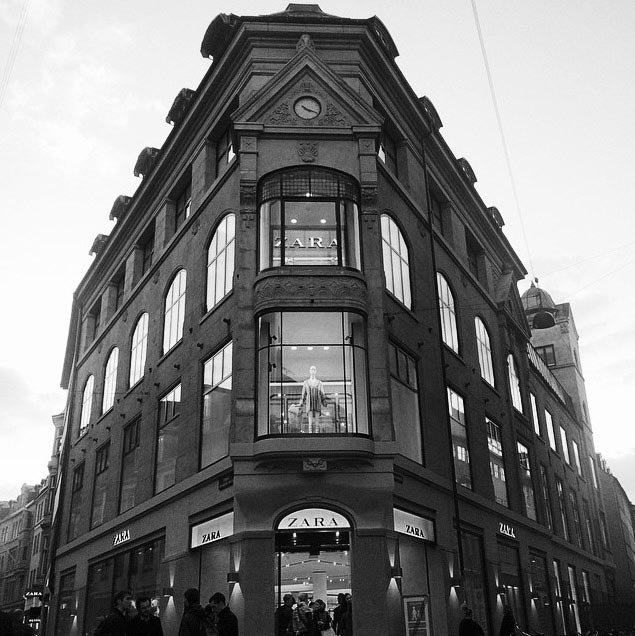
Galicia has come a long way since then and has produced a rather more modern fashion success story.
Zara, one of the world’s largest fashion brands, started life as a single shop in A Coruña in 1975.
The founder, the reclusive Amancio Ortega, thanks to Zara and its parent company Inditex, is now the richest man in Spain. He currently ranks as #11 on the global billionaires’ list. But about ten years ago he was briefly the richest man in the world, and his fortune surpassed even Bill Gates’.
Queimada – The magical Galician drink
Chapter 40. Page 561. Ties That Bond in Gretna Green.

“The waiter said something to Dai, which sounded like kay-mar–dur. A huge grin split Dai’s face as he nodded and raised two fingers in return.”

The Galicians don’t just have a drink. Oh no. That would be too easy. They set it on fire, recite a spell over it, and hope it keeps the witches away.
Queimada is a traditional Galician punch made with aguardiente (a strong grape spirit), sugar, citrus peel (yet another use for Alphonse’s oranges) and sometimes coffee beans or cinnamon. It’s all mixed in a large clay bowl and set alight, producing spectacular blue flames.
But why stop there?
While the mixture burns, someone recites a spell to chase away evil spirits, bad luck and meigas—the witches of Galician folklore (beautifulgalicia.com).
Once the flames are out, queimada is served warm in small cups, sometimes specially decorated to commemorate a special occasion.
It tastes sweet, citrusy and a little like brandy, with hints of caramel and spice. Don’t let the sweetness fool you, though—it’s absolutely lethal quite strong!
You can read more about it in this BBC article.
I couldn’t choose between the two videos . So I’ve included both. They have a different vibe and are both well worth watching!
Authentic Galician Honey Cake
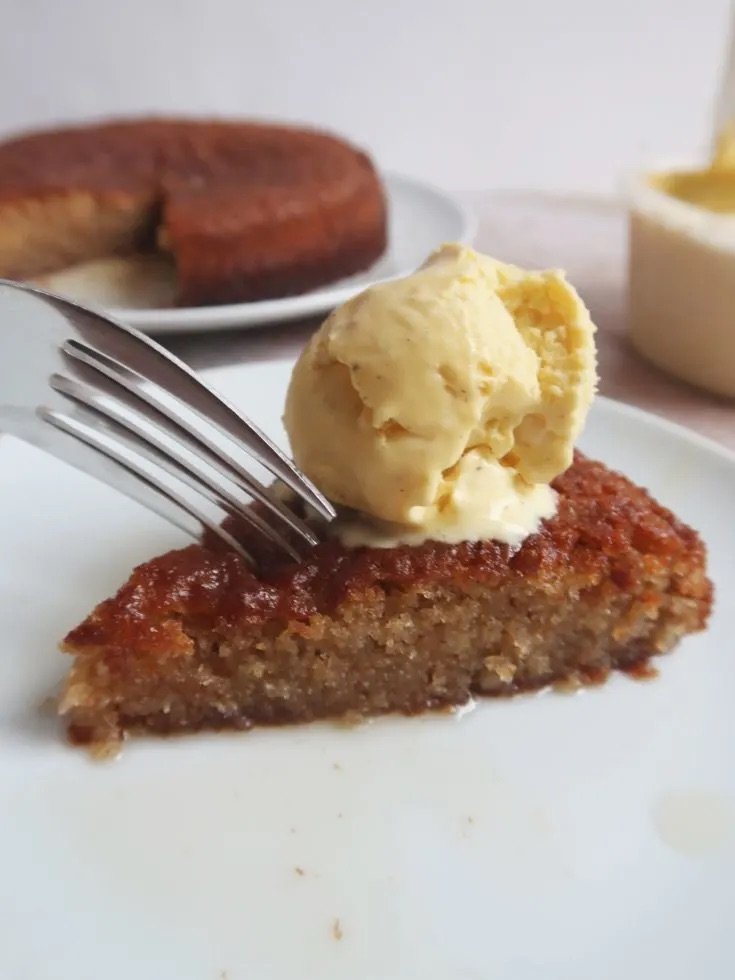
Want a taste of Galicia in your home?
Try this deliciously moist honey cake, as yet untested by Juniper, but even without a spell, I’m sure it’ll bring warmth and sunshine into your life, like only good cake can. 😋
Voracious Readers in Galicia
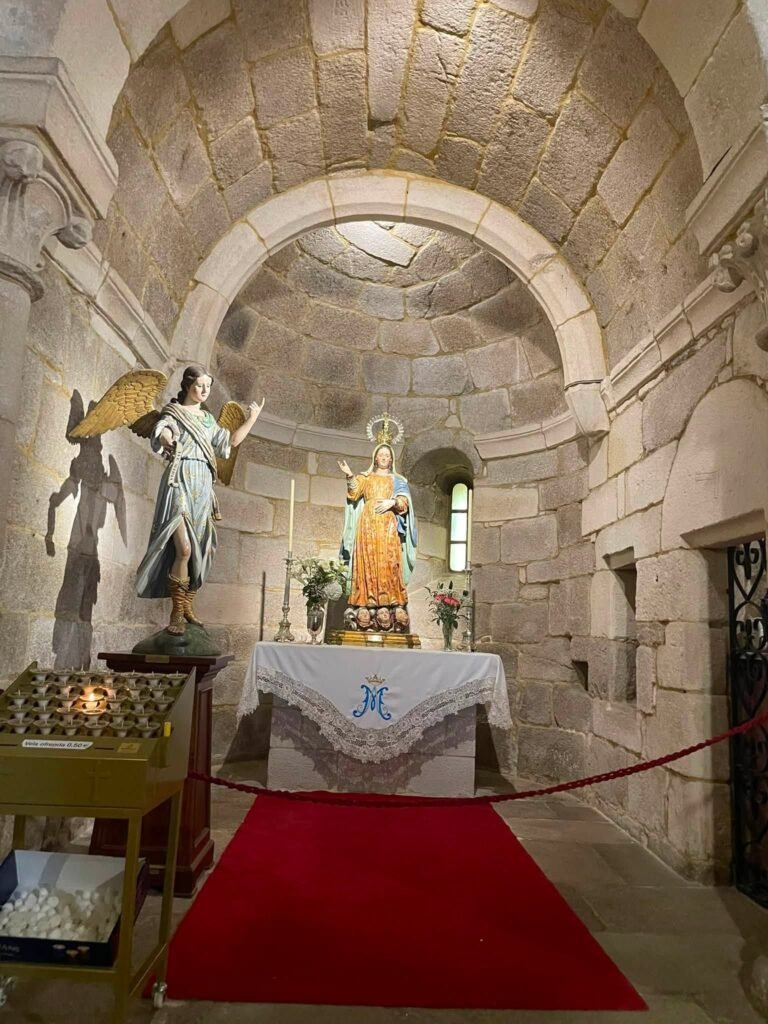
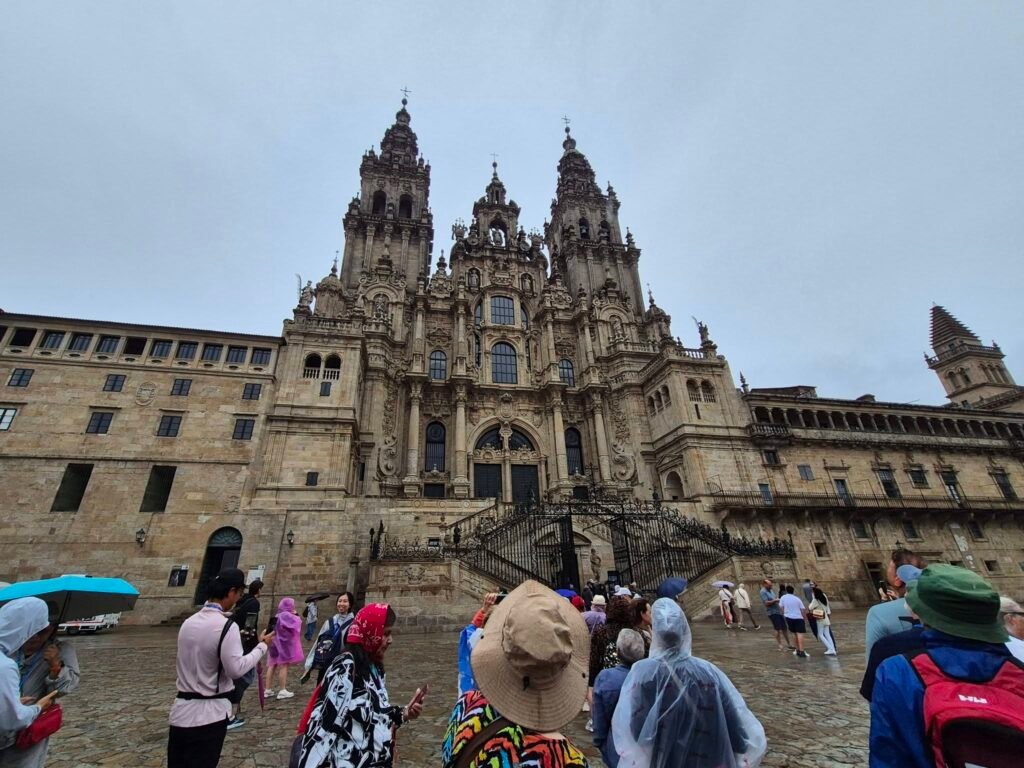
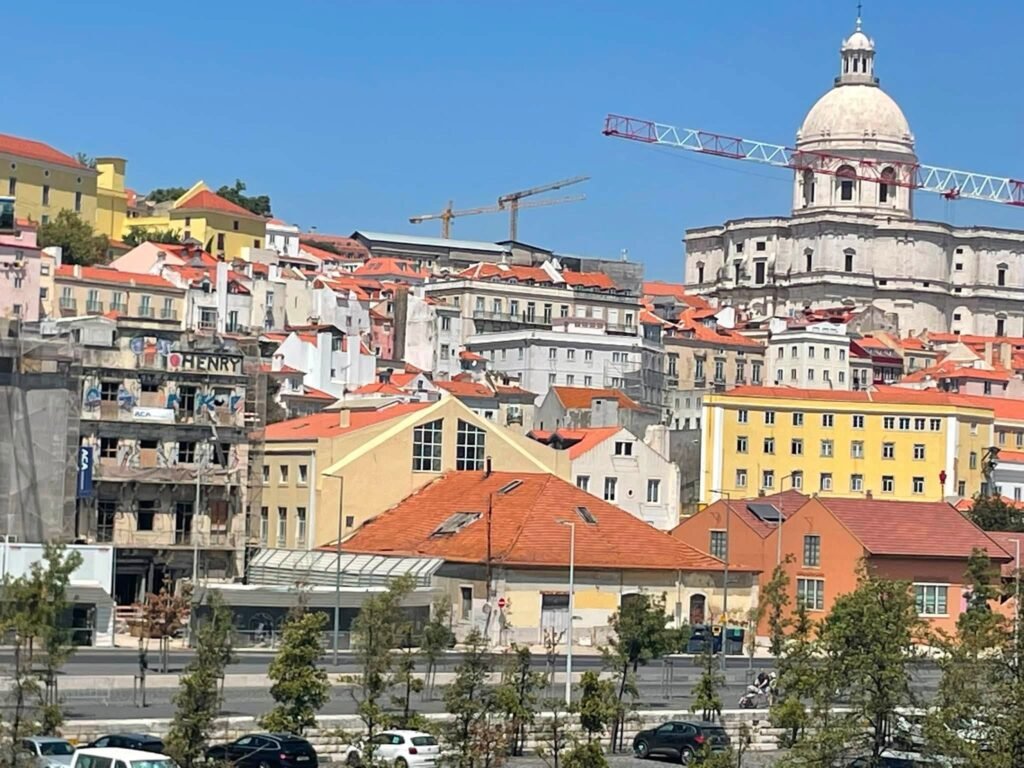
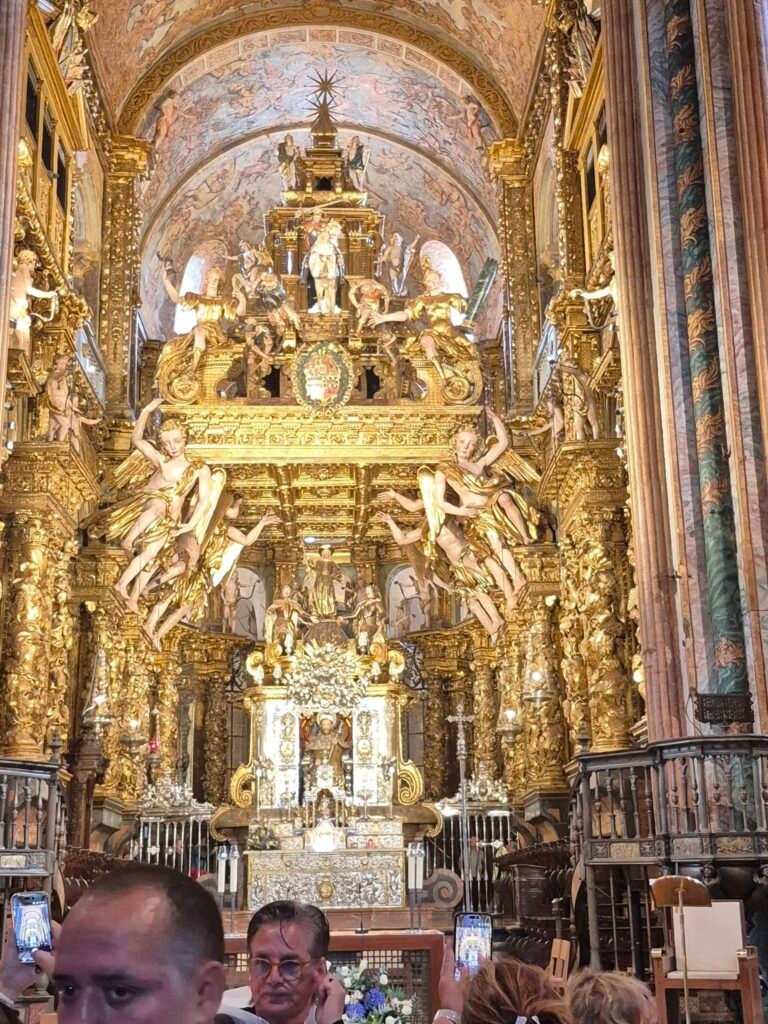
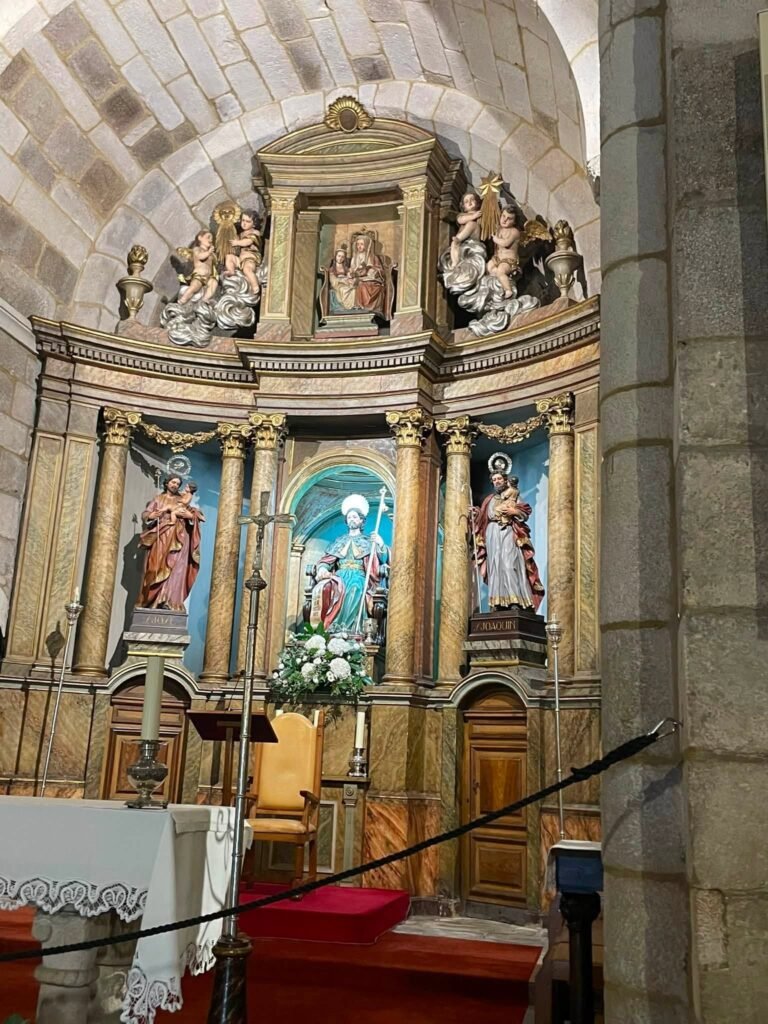
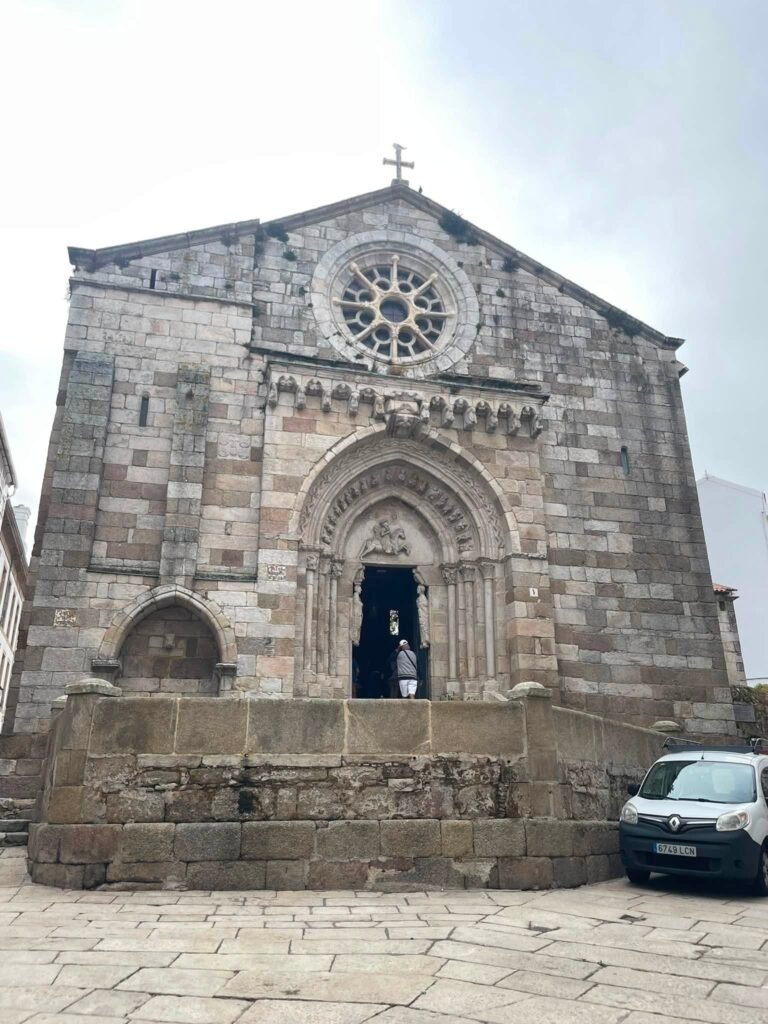
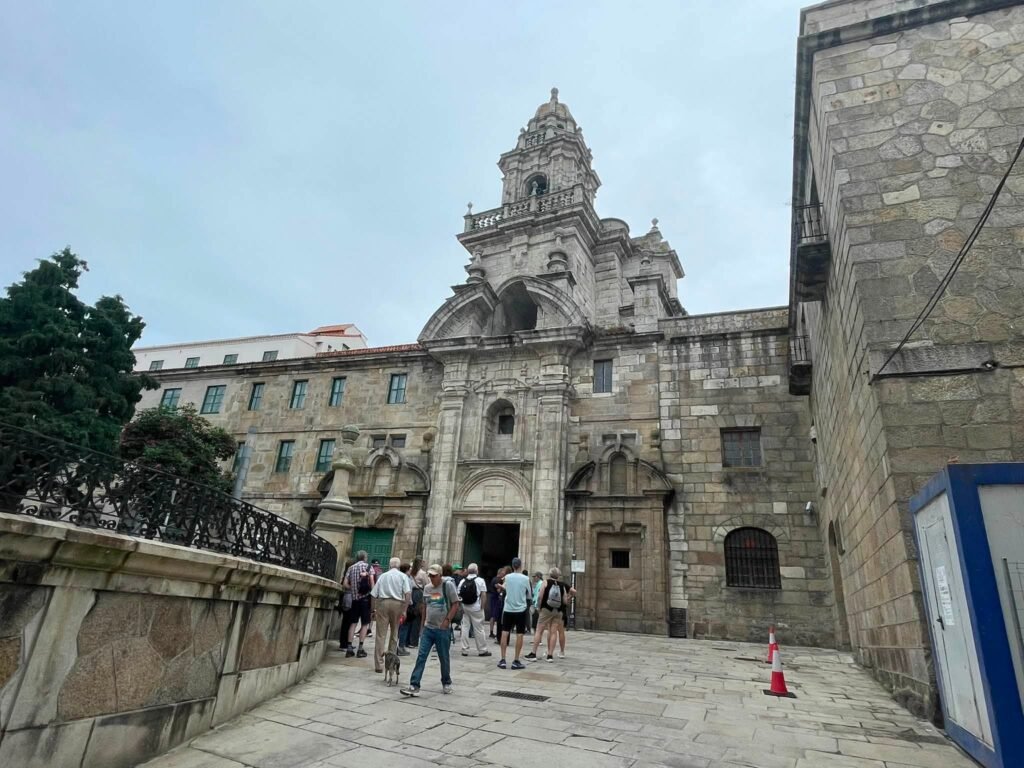
Some wonderful readers in my Voracious Readers Facebook group have shared photos from their travels in the real Galicia.
Huge thanks to Kim V. (Check out that cathedral) and Jana A. for sharing the photos with us all ❤️
Music
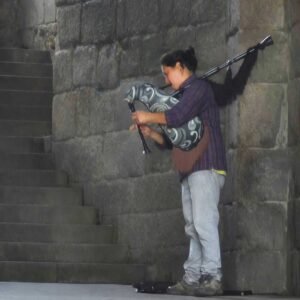
It’s not just Scotland that has bagpipes. In Galicia they call them gaita and they remain part of their musical culture—you’ll hear them at festivals, parades, weddings and contemporary folk performances. Galicia even hosts major events specifically celebrating pipers and Celtic music.

One of Europe’s biggest Celtic music festivals, the Festival Internacional do Mundo Celta de Ortigueira brings Celtic musicians and enormous crowds to northern Galicia every summer—bagpipes (and a very cool logo) very much included.
Festivals
Galicia takes carnival very seriously indeed. Its Entroido celebrations preserve bizarre local costumes, masked characters and traditions that vary from town to town. Eleven Galician carnivals currently have official tourist-interest status, and more than 175 municipalities make at least one carnival day a local holiday.
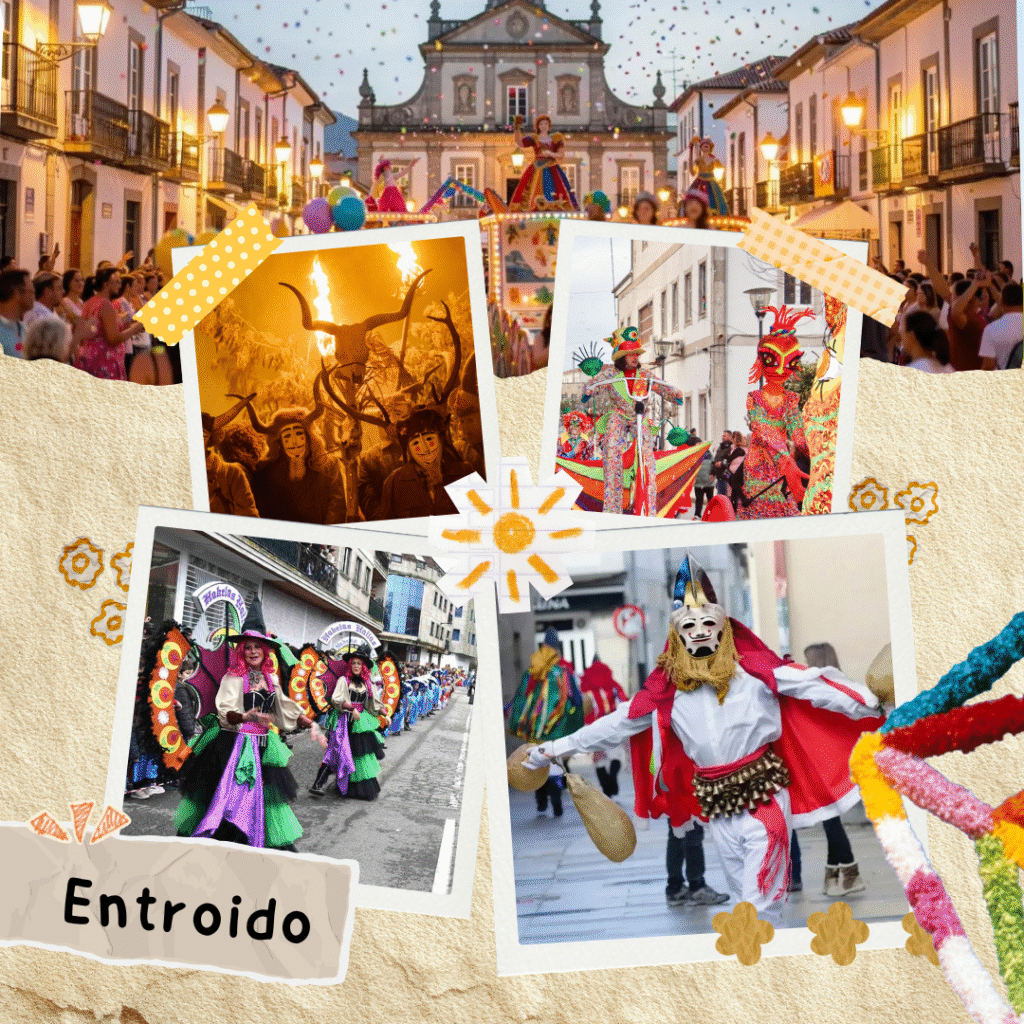
Galicia’s Entroido is Carnival turned up several notches. Held before Lent, (and attended by Caitlin in Ties that Bond in Gretna Green) it is loud, mischievous and wonderfully strange, with ancient local traditions that vary from town to town.
The most famous celebrations are in Xinzo de Limia, Verín and Laza, known as the “Magic Triangle” of Entroido. Expect masks, cowbells, whips, practical jokes, enormous meals and streets temporarily taken over by characters who look as though they have wandered out of a colourful nightmare.
Each town has their own stars. Xinzo has the Pantallas, with demon-like masks and inflated animal bladders that they bang together; Verín has the Cigarróns, whose elaborate costumes can weigh around 25 kg; and Laza has the equally imposing Peliqueiros.
Xinzo’s celebrations last an extraordinary five weeks, making it one of Europe’s longest carnivals. It is all ancient, very local and still very much alive—not a historical reenactment, but a huge modern party built around centuries of tradition.
Viking Invasion
At the Romería Vikinga de Catoira, locals arrive by replica longship, storm ashore with shields and axes and are drenched in red wine. It commemorates the real Viking raids that once threatened the route towards Santiago. (The capital city of Galicia)
Language
Galician, or galego, might look a bit like Spanish at first glance, but it is actually much more closely related to Portuguese. The two grew from the same medieval language, so you still get lovely little echoes between them today—Galician noite and Portuguese noite both mean “night”, while Spanish uses noche. Likewise, Galician and Portuguese both use falo for “speak”, where Spanish has hablo.
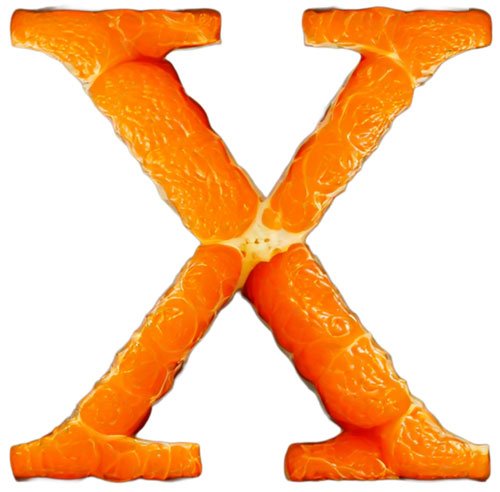
One thing you’ll notice as quickly as Niki does is the letter X. It often appears at the start of Galician names and words—Xosé, Xoán, Xacobe, Xunta—and is usually pronounced with a soft “sh” sound. So familiar Spanish names can suddenly look wonderfully different: José becomes Xosé, Juan becomes Xoán, and Jacobo becomes Xacobe.
And despite all the bagpipes, Celtic festivals and ancient hill forts, Galician itself is not a Celtic language. It comes from Latin. Galicia’s Celtic side survives more through its history, folklore, music and identity—while its language looks south towards Portugal. It’s another perfect example of how Galicia never quite fits into a neat little box.
History
Galicia has been Galicia, in one form or another, for a very long time. Before the Romans arrived, north-western Iberia was home to communities living in fortified hilltop settlements called castros. Roman writers knew many of the people there as the Gallaeci, and that name eventually became Gallaecia—the Roman province that gave modern Galicia its name.
When the Roman Empire began to fall apart, things got even more interesting. Around 409 AD, the Suebi established a kingdom in Gallaecia, with its capital at Braga in what is now Portugal. Their kingdom lasted until 585, but the name Galicia survived. Over the centuries that followed, the region became part of various medieval kingdoms, while the southern part of old Gallaecia gradually developed into Portugal.
So modern Galicia is not a recently invented region with a borrowed historical identity. Its name and sense of place have survived Romans, Germanic kings, medieval kingdoms and the eventual formation of Spain itself—which is an impressive run.
And then it met Scotland … which might turn out to be one of its craziest incarnations yet. Saúde!🍷
Half an Orange in Gretna Green
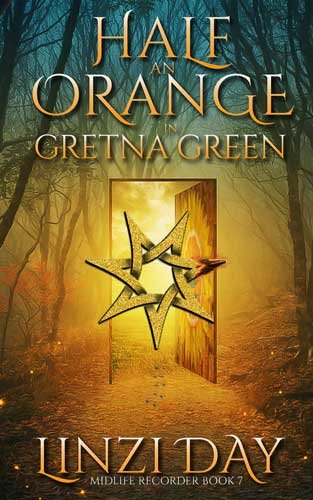
The Galicia in the realms is very different from the modern, real, Galicia. You’ll have to read the book to find out how much!
Half an Orange in Gretna Green releases on the 30th October 2026.
Available in Paperback or ebook. The ebook is part of the Kindle Unlimited program, so if you’re a subscriber, you can read it for free.
This link will take you to the book page on your local Amazon store. UK, USA, Canada, Australia, etc.
Want to read more?
50 Shades of Grey Orange – the colourful story behind the cover of Half an Orange in Gretna Green.
This is only a single part of the Behind the Books series. There’s lots to read: You can find the main BTB index page here
Leave a Reply